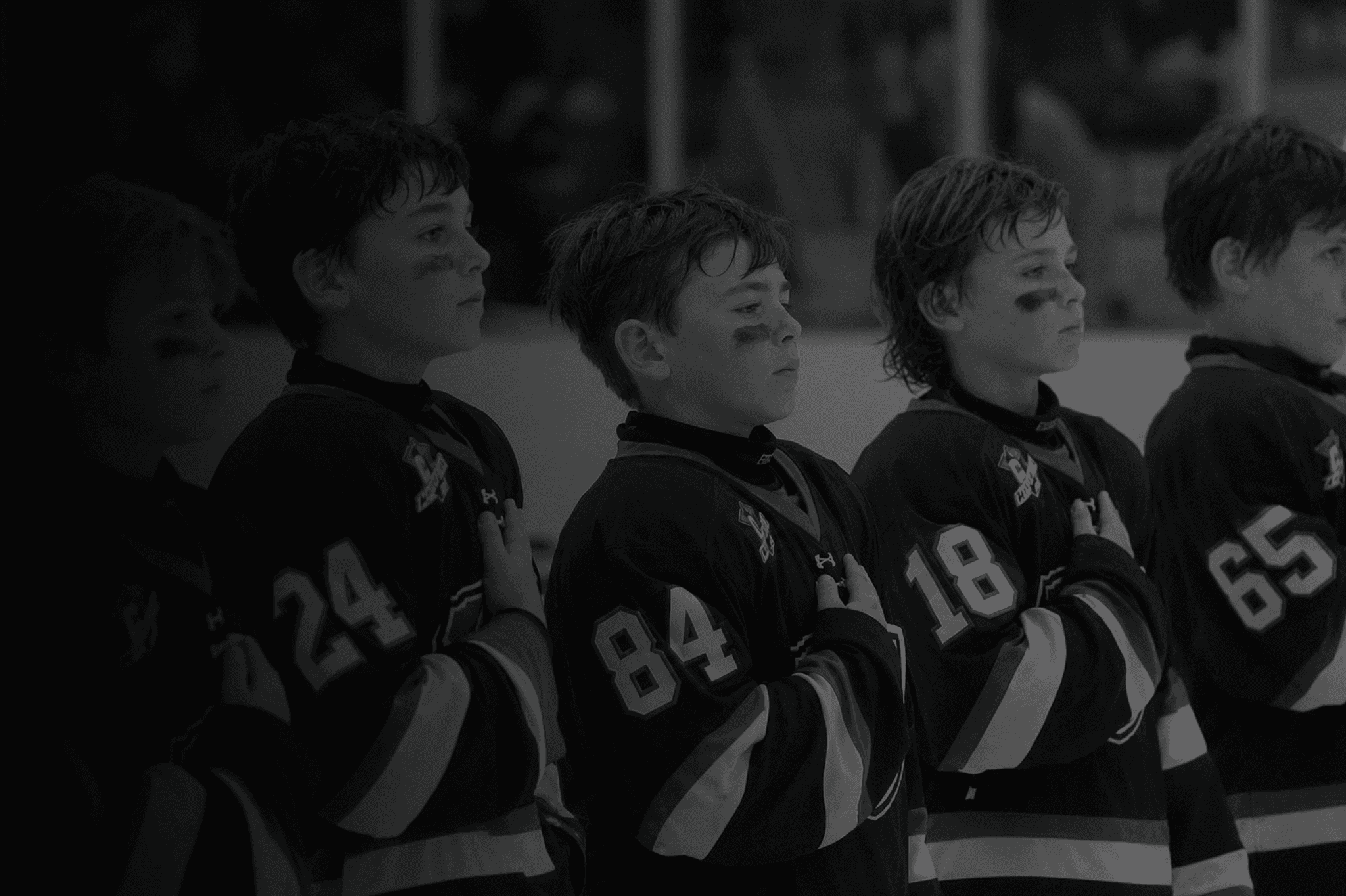
Why Skill Isn’t Enough: The Missing Piece in Youth Hockey Development
Every year, hockey families invest thousands of dollars in skating coaches, shooting clinics, private lessons, and travel teams.
Yet many players reach a point where their skills stop translating into better performance during games. The problem usually isn’t effort or talent. It’s decision-making.
Hockey Is a Game of Decisions
Players make hundreds of decisions every game, and most of them happen without the puck. The best players are not simply more skilled — they process information faster than everyone else.
More than 90% of the game is played without the puck, and most puck decisions happen in under one second. That is why Hockey IQ, hockey sense, and decision-making in hockey matter so much in youth hockey development.
Why Traditional Development Falls Short
Parents often chase the visible parts of development: skating, shooting, stickhandling, and strength. Those skills matter, but they are only part of the game.
Almost nobody teaches players how to read pressure, recognize patterns, support teammates, scan before receiving the puck, time their routes, or position themselves before the play arrives. That gap is where many talented players stall.
Hockey IQ Can Be Developed
Hockey IQ is not something players are simply born with. It can be taught, trained, and strengthened over time through repetition, coaching, video analysis, guided questioning, and game situations.
When players understand why a play works, not just what skill to perform, youth hockey training becomes more transferable to real games.
When Development Changes
The best approach changes as players grow. A strong hockey player development pathway should match the athlete’s age, maturity, and game demands.
7–10: Learn awareness
At the foundation stage, young players need to learn where to look, how to notice space, and how to understand what is happening around them.
11–14: Develop decision-making
As players separate, the game gets faster and pressure increases. This is when decision-making habits, support routes, and pattern recognition become major differentiators.
15+: Refine hockey IQ through structured video and elite guidance
At the advanced and elite levels, players need more than effort. They need structured hockey video analysis, feedback from people who know the next level, and a plan that connects their decisions to their goals.
The Best Players Think Differently
Elite players see the play earlier. They recognize patterns before they fully develop. They slow the game down mentally and choose better options because they understand what is likely to happen next.
How Pro Hockey Lab Is Different
Most youth hockey coaching reviews what happened. At Pro Hockey Lab, we teach players how to recognize what will happen next. That is the difference.
Our camps, Hockey IQ resources, membership, advisory support, and elite hockey training are all built around one belief: the difference isn’t skill. It’s decisions.
Conclusion
The hockey world has never needed another skills coach. It needs more players who understand the game.
At Pro Hockey Lab, that’s exactly what we teach.
" height="9.0156px" id="LIcbdboyB" transform="translate(4.987 4.5)" width="9.01562px"/><path d="M 7.516 2.561 L 1.061 9.016 L 0 7.955 L 6.455 1.5 L 0.766 1.5 L 0.766 0 L 9.016 0 L 9.016 8.25 L 7.516 8.25 Z" fill="rgb(0, 0, 0)" height="9.0156px" id="UDf_1oOzp" transform="translate(4.987 4.5)" width="9.01562px"/></svg>)